Emerging Threat
Deepfakes and AI-Generated Fraud in Hiring
Generative AI has made it easy to fabricate credentials, generate realistic resumes, and impersonate real people. The hiring process is a prime target.
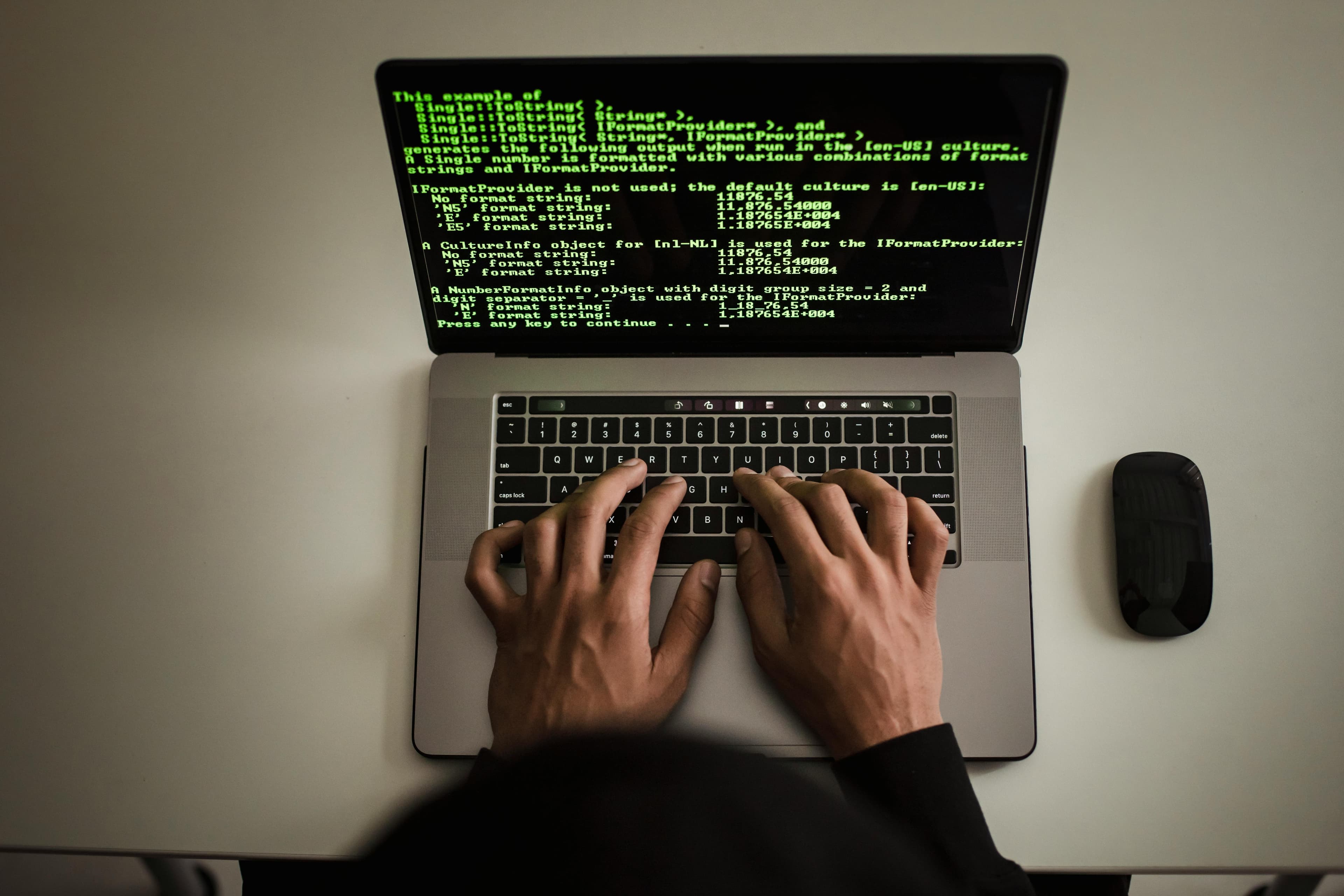
Generative AI has made it trivially easy to fabricate credentials, generate realistic resumes, and, increasingly, impersonate real people during video interviews. Deepfake technology that once required significant technical skill is now available through consumer-grade apps and online services.
In 2024, multiple reports documented cases where candidates used AI-enhanced photos, stolen identities, and remote access schemes to pass hiring processes. In one widely reported case, a security company discovered that a newly hired engineer was a North Korean operative using a stolen U.S. identity and an AI-modified photo. As deepfake technology improves, live video impersonation during interviews is an emerging and growing risk.
AI-Generated Resumes
AI-generated resumes are even harder to detect. Large language models can produce polished, keyword-optimized resumes with fabricated but plausible work histories, complete with fake references that point to VoIP numbers answered by co-conspirators. Automated screening tools, themselves powered by AI, often can't distinguish these from legitimate applications.
The Arms Race
The irony is clear: the same AI tools companies use to streamline hiring are being weaponized to exploit it. Digital verification tools that compare a selfie to a photo ID can be vulnerable to the same deepfake technology they're designed to catch. What a deepfake can't replicate is physical presence.
The Countermeasure
Digital tools try to fill this gap with increasing sophistication, liveness detection, biometric matching, device fingerprinting. But each new layer of digital verification invites a corresponding digital countermeasure. In-person verification sidesteps this arms race entirely. A state-licensed notary checking a government-issued photo ID against the person standing in front of them requires physical presence, which no digital tool can simulate remotely.
Frequently Asked Questions
How are deepfakes used in job interviews?
Fraudsters use real-time face-swapping and AI-generated video to present as someone else during remote interviews, letting one person appear as many or hide their true identity. The technology is now available in consumer-grade apps.
Can AI detect a deepfake candidate?
Detection tools help but are in a constant arms race, and each new detector invites a new evasion. The more durable defense does not try to out-detect the fake, it requires a physical presence a deepfake cannot supply.
How do you defend hiring against deepfakes?
Add a verification step that a synthetic video cannot satisfy: a state-licensed notary checking a government-issued photo ID against the physical person. This sidesteps the detection arms race entirely.
Related Reading
Deepfake-proof your hiring.
Custom pricing based on your team and volume. No subscription, no integration.
Request Access